
Tenyészet
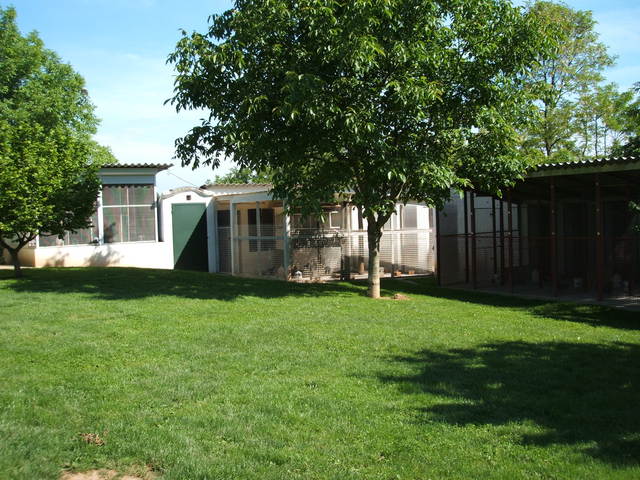
A bemutatkozómban már említettem, hogy 1988-ban szereztem be az első pár galambomat és azóta azt hiszem, mondhatom úgy, hogy rabja lettem a King galamb tenyésztésének! A kezdetekkor költőszekrényes megoldással próbálkoztam, több-kevesebb sikerrel. Köztudott dolog, hogy a King az egyik legagresszívebb galambfajta, ezért mindig az volt a probléma, hogy a fentről kirepülő vagy éppen kieső kisgalambot megverték ( néha véresre) a lent, helyet foglaló idősebb galambok.
Gondot okozott még párosításkor a beszoktatás is, mindig volt egy vezéregyéniség, amelyik uralni akart több fészkelő helyet is.
Ebben a rendszerben párosodni sem tudtak 100%-osan a galambok, a harciasabb egyedek egyszerűen lelökték a párosodó hímet a tojóról.
Ezek következménye az lett, hogy kevesebb fiókát tudtam nevelni a szezonban és ami még hátrány volt, hogy több sérülés történt a galamb párok között. Ezért, a tenyésztést negatívan befolyásoló tényezők kiküszöbölése érdekében 2001-ben átalakítottam a galambházaimat fakkosított rendszerre.
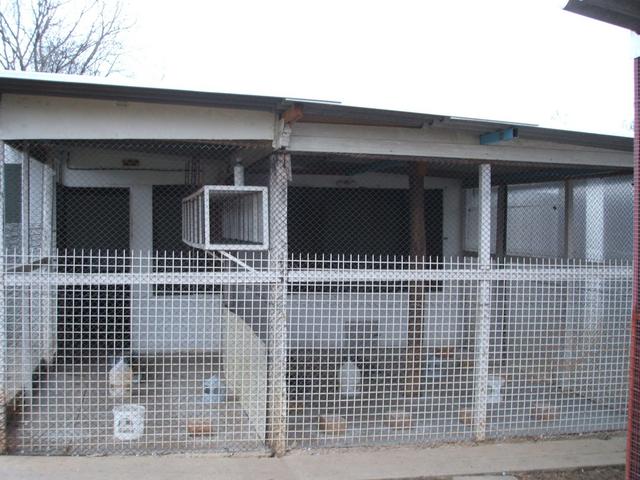
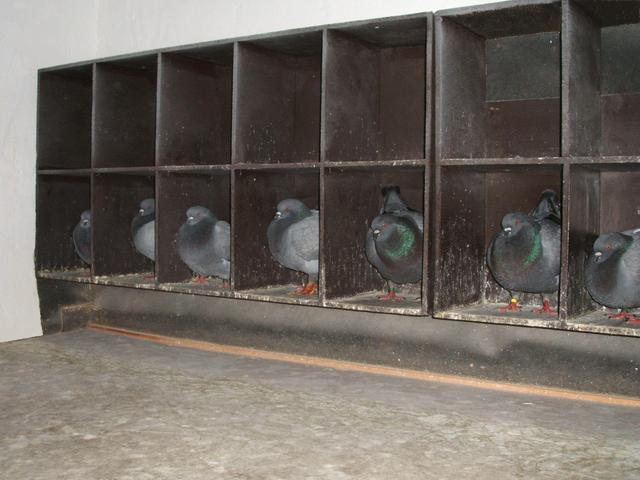
Az egyik galambházban öt pár galamb, páronként 1,2. x 4,5.-méter alapterületű helyen költ.
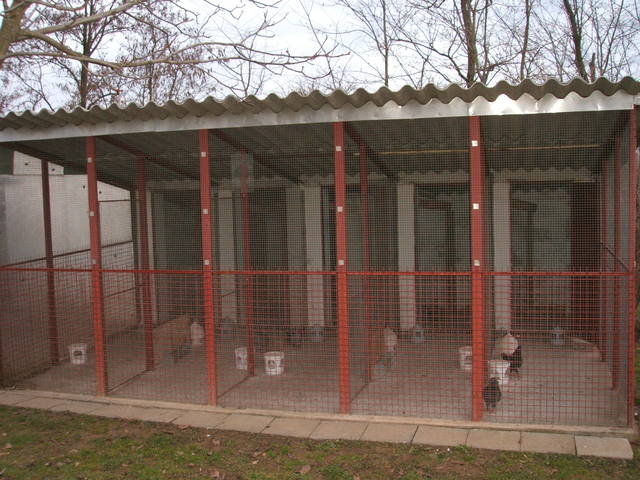
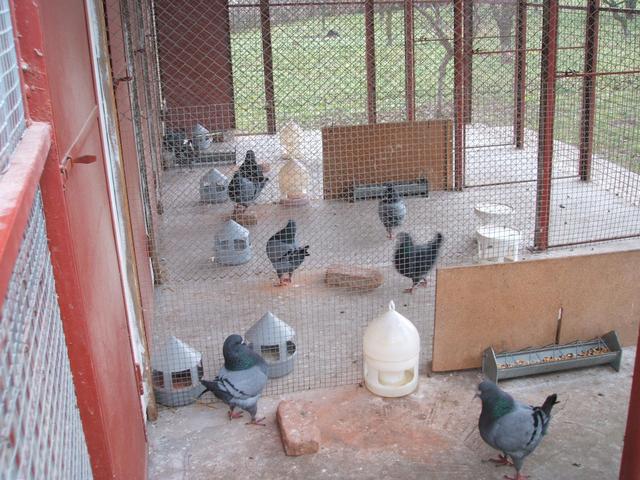
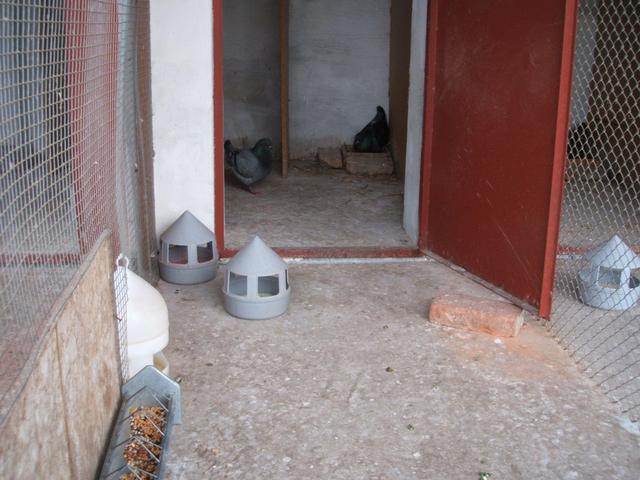
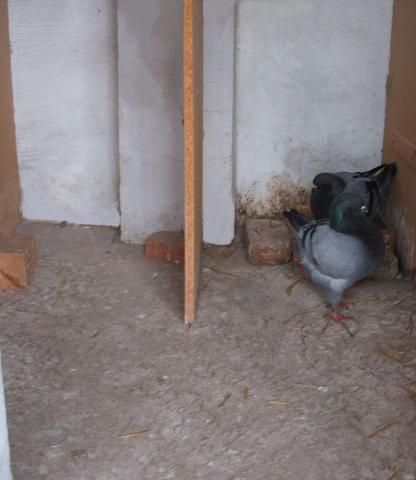
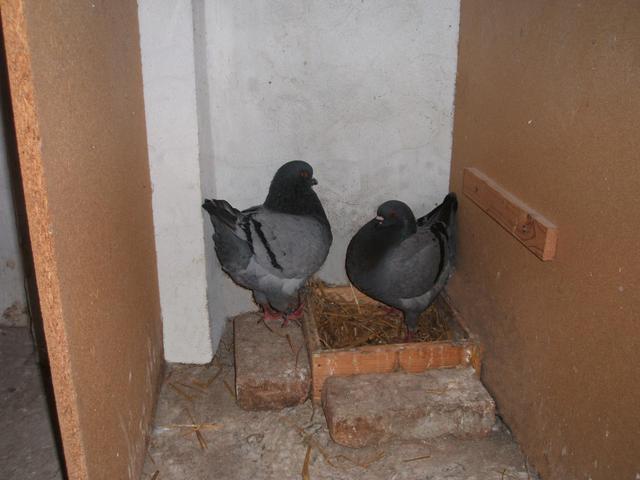
A másik galambházban négy pár galamb van, páronként 90. x 250.-cm alapterületen a költési szezonban.
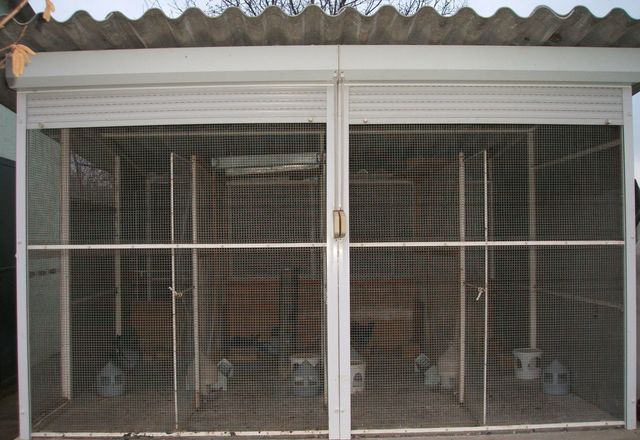
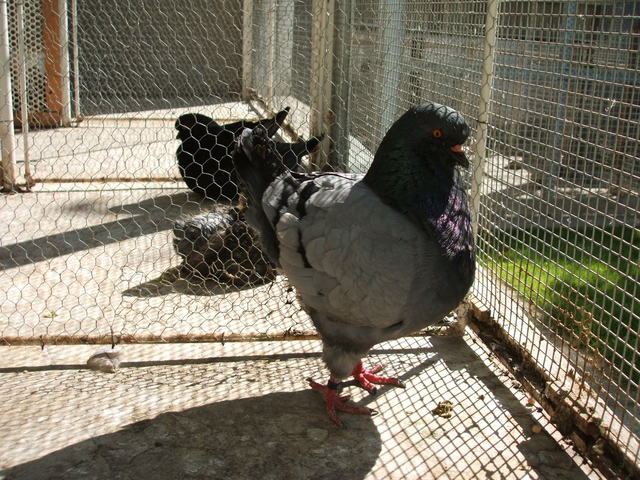
Itt 100%-ig nyomon lehet követni a tenyésztés lényegét, hogy melyik galamb mit örökít, hisz nincs arra lehetőség, hogy egy adott galamb a párján kívül más galambokkal is párosodjon. Így ismerhetjük galambállományunk tulajdonságait több generációra visszamenőleg, ezáltal könnyebb dolgunk van a párosításkor, hisz tudni lehet, hogy melyik hím galambot, melyik tojó galambbal érdemes összetenni ahhoz, hogy azt kapjuk eredményül, amit szeretnénk!
Ebben a technológiában sokkal eredményesebb a tenyésztés, nyugodtabbak a galambok, van tér biztosítva a fészket elhagyó kisgalambnak a nyugodt táplálék felvételre és annak megfelelő hasznosítására.
A költőpárokat január végén állítom össze, miután túlvannak galambjaim a kiállítási szezon utáni megfelelő gyógyszerelésen, parazita ellenes készítménnyel való kezelésen és ami elengedhetetlen a vitaminozáson.
Ezek megfelelő alkalmazása nagymértékben befolyásolja a tenyésztés eredményességét! A vitaminok fokozzák a galambok vitalitását, a tojások termékenységét, a keltethetőségét és elősegíti a kelésgyengeség kiküszöbölését.
Kilenc pár galambbal tenyésztek, ami évente negyven fiókát szokott költeni és kényelmesen fölnevelni. Nem tartok dajka galambokat, mert maximálisan meg vagyok elégedve a Kingek nevelésével és számomra nem a mennyiség, hanem a minőség a meghatározó a galambtenyésztésben!
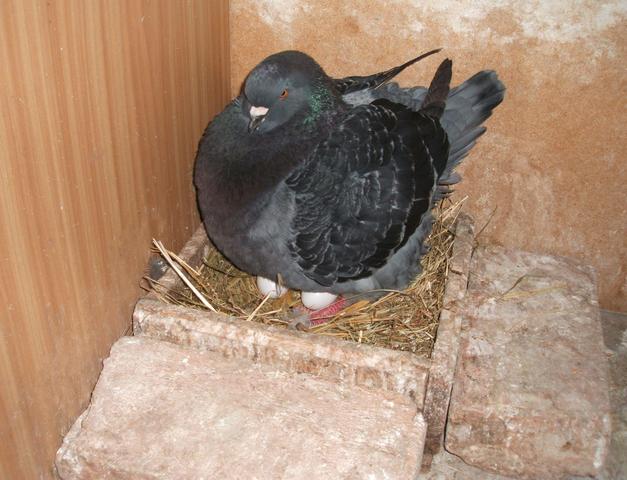
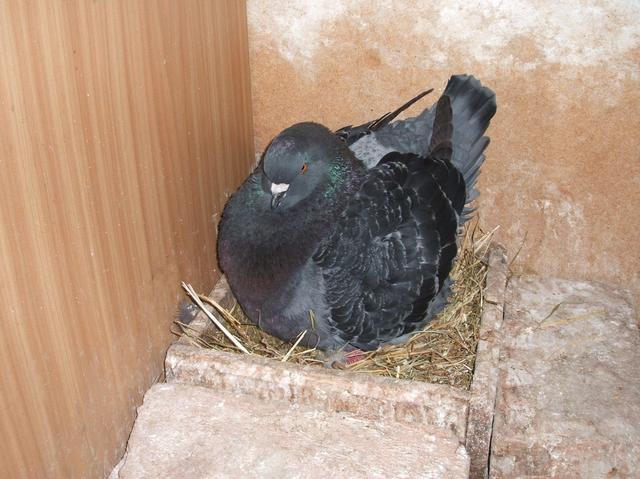
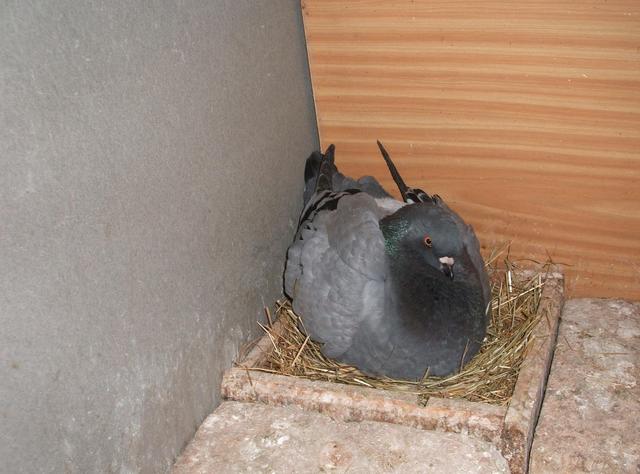

A kijövő galambok 3-3,5 hetes korban kezdenek el csipegetni a takarmányból, miközben még a szülők is rásegítenek a megfelelő mennyiségű tápanyag felvételéhez.
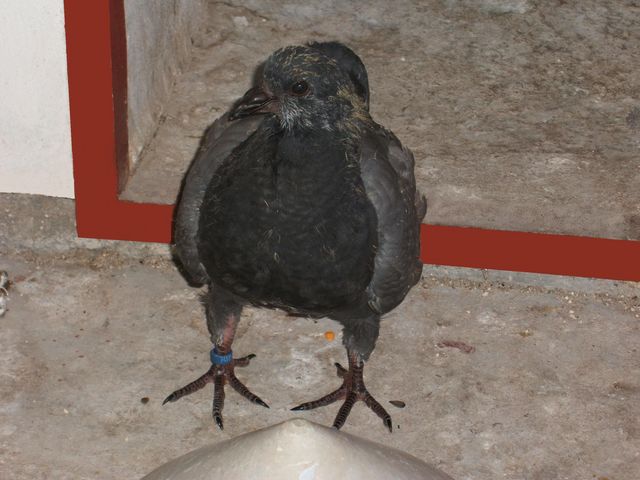
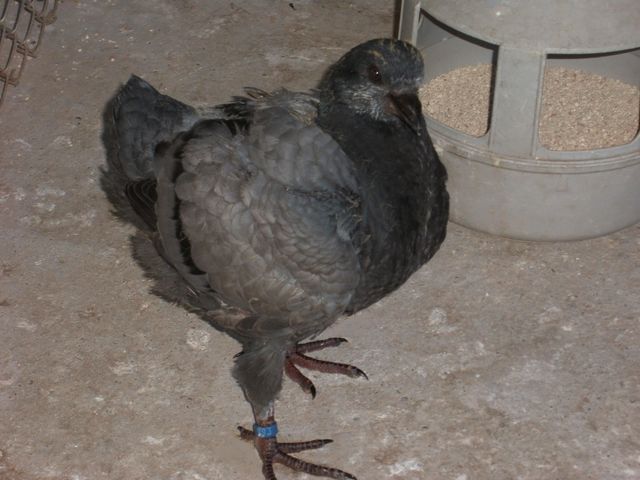
Majd a 4,5 hetes kort elérve kerül sor a leválasztásra és a következő galambok kikelésére.
A leválasztott galambok átkerülnek a fiatalnevelőbe, ami két részre van osztva, abból a megfontolásból, hogy a frissen átkerült galambok nyugodtan és megfelelően tudjanak fejlődni az érettebb galamboktól elkülönítve.
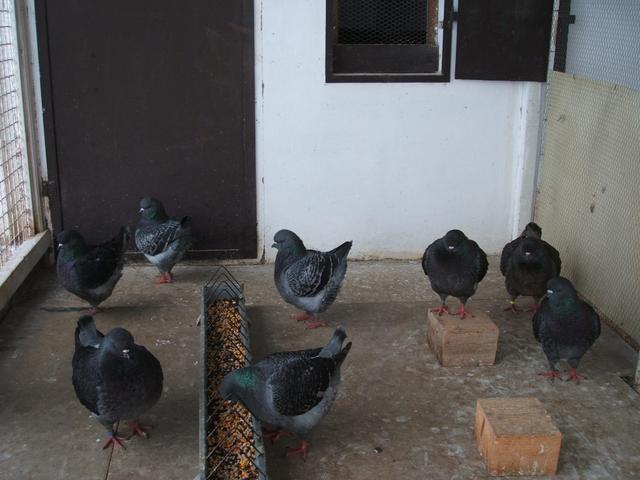
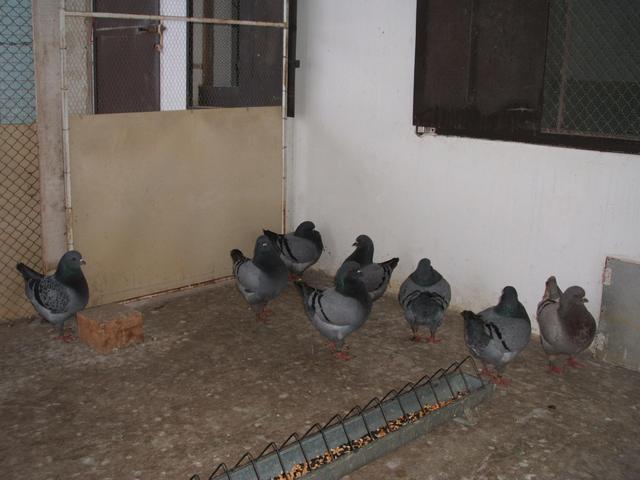

Augusztus közepén választom szét a költőpárokat és így, ki tudnak vedleni, amire kezdődik a kiállítási szezon és nem vesz el még plusz energiát a kisgalamb fölnevelése is a szervezetüktől. Ebbe az időszakba az oltási programot is be tudom iktatni és már kialakult védettséggel mehetnek, galambjaim a kiállításokra.
Így szinte teljesen kizárható, hogy az általam két legveszélyesebbnek tartott betegséggel (paramyxo, paratyphus) fertőződjenek, illetve megbetegedjenek a kiállításokról hazatért galambok.
A védettség által sokkal kevesebb a gyógyszer felhasználás így a galambok immunrendszere jobban meg tud erősödni és ha valamilyen más betegség miatt, mégis kell gyógykezelni az állományt, sokkal hatékonyabbak a felhasznált gyógyszerek is.
Végezetül minden tenyésztőtársnak, eredményes tenyészévet és sikeres kiállításokat kívánok!